
How We Saved Mia: A Race Against the Clock
Trigger Warning: This story discusses child sexual abuse (CSA) and may be triggering for some readers. If you or someone you know is going through something similar, please call 111 immediately or visit our Need Help section on the Kiwis For Good website.
Hey everyone,
The call from our BRAVE facilitators came in. I just sat there, staring at the wall, the weight of it hitting me all at once. Some of the more gruesome details of this story have been redacted, and names have been changed to protect the identity and dignity of the victims involved.
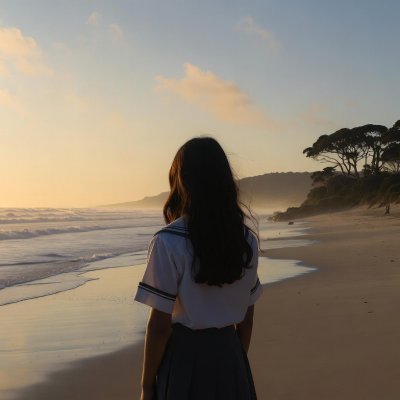
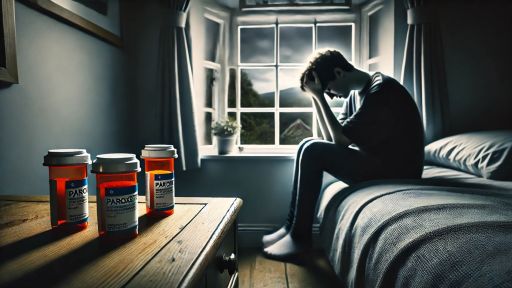
A teenage girl named Mia, who had never once known her own parents, had been placed in the custody of a family member who was supposed to protect her. Instead, that home became a place of ongoing abuse. For years she carried it alone.
It started earlier that day when the school counsellor sensed something was wrong and reached out to our BRAVE facilitators. They were brought in to speak with Mia. Building trust and gently drawing out the painful details took time, time that suddenly became desperately short. By the latter part of the day, our team realised they had just three hours until the final school bell. Three hours before her abuser would pull up at the gates to take her back.
Three hours to save a girl’s life.
I wasn’t there that day, but when one of our BRAVE facilitators told me what happened, I could barely breathe. They moved with the kind of urgency that only comes when a child’s safety is on the line. They tracked down safe next of kin who immediately agreed to give her refuge. They stood quietly beside Mia as she found a courage most adults never have to summon, the courage to speak the truth about what had been done to her. It later emerged that others in and around that household had likely known what was happening. Still, our team didn’t falter.
They got her out.
When her abuser arrived at the school expecting to collect her as usual, he lost it, shouting, raging, demanding to know where she was. In that moment, one of our BRAVE facilitators looked him in the eye and said calmly, firmly: “She’s safe now. You’ll never be able to do what you did to her ever again.”
The very next day, after Mia endured a gruelling police interview, the police swooped in and arrested him. The evidence our BRAVE facilitators had helped gather in those frantic hours was enough to hold him without bail. He now faces the long process of investigation through the criminal justice system.
And Mia?
When I heard the full story, something in me cracked open. Here was a girl the system had already let down once, orphaned, placed in the wrong hands, and yet when her moment came, she stood up. And because of our partnership with BRAVE, our facilitators were able to stand with her. This is why we exist: to support survivors of sexual assault and family violence, to catch Kiwi kids before they fall through the cracks, and to give them the safety they were always owed.
I’m still humbled by it. Humbled that we got there in time. Humbled that one urgent afternoon could rewrite the rest of a girl’s life.
But I also know the truth: none of us on the ground could have done this alone.
Every single part of that operation, the rapid response, the coordination, the safe extraction, the immediate care, the evidence that saw him arrested, and Mia safe, was funded by you. By the people who believe New Zealand’s children deserve better than silence and fear. Your donations turned compassion into action. They turned three desperate hours into a lifetime of possibility.
To every one of you who has ever given, the quiet monthly supporters, the one-time givers, the people who dig deep when they don’t have much themselves, thank you from the very bottom of my heart. Because of you, Mia is safe tonight. Because of you, another young Kiwi gets to dream again instead of live in a nightmare.
Stories like hers are why we keep going. With your help, we’ll keep showing up. No child should ever have to face this alone.
With deep, humbled gratitude,
Tim Baker
National Director, Kiwis For Good