
Miracle in Raglan: A New Hope for Mental Health in New Zealand
A Note Before You Watch: Miracle in Raglan is a story-driven documentary sharing personal experiences of trauma recovery through human connection and gentle techniques. These are real people’s journeys — sometimes profound and life-changing — but individual results vary and nothing in this film should be taken as a guarantee.
This is not medical advice. The film explores one perspective on trauma and mental health and does not replace professional care. We encourage viewers to consult a qualified doctor, psychologist, or mental health professional before making any decisions about their own treatment or support.
If you are in distress or considering changes to your current care, please seek personalised guidance from a health professional you trust.
If you or someone you know needs immediate support, visit our Need Help? page or contact Lifeline (0800 543 354), Youthline (0800 376 633), or your local health provider.
Discovering a Different Approach
When we first connected with Dr Robin Youngson, it felt like meeting someone deeply committed to compassionate care. A former anaesthetist and passionate advocate, Dr Youngson has spent years exploring how human connection and simple, body-based techniques can support emotional healing.
The result is Miracle in Raglan, a short documentary featuring Dr Youngson and several New Zealanders who share how his work has profoundly impacted their lives. It is built around authentic personal stories rather than clinical claims
New Zealand’s Mental Health Challenge
New Zealand faces a serious and ongoing mental health crisis, with high youth suicide rates and widespread use of antidepressant medication. While the current system relies heavily on pharmaceutical approaches, there is growing interest in trauma-informed, connection-based alternatives. This documentary offers one perspective in that important conversation.
Personal Stories of Hope
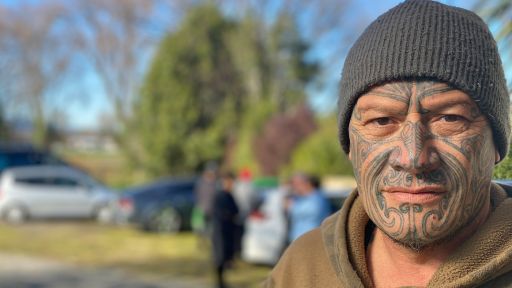
Through the voices of ordinary Kiwis who have worked with Dr Youngson, the film explores how focusing on safety, trust, and gentle techniques can sometimes open powerful new pathways for recovery. These are hopeful, human stories of change and resilience.
Why Watch Miracle in Raglan?
This film may help you:
- Feel less alone in your struggles
- Understand trauma from a different angle
- See the healing potential of genuine human connection
- Feel inspired to support better, more compassionate mental health options in New Zealand
We hope it sparks thoughtful discussion and greater compassion for those who are suffering.