New Zealand’s Drinking Culture and the Shadow It Casts on Mental Health

Social Issues Nov 25, 2024 Mitch Dyer


Alcohol, long considered a social cornerstone in New Zealand, has once again come under scrutiny, this time sparked by comments from mental health advocate Mike King. King suggested that, in some cases, alcohol may have prevented individuals from taking their own lives by numbing overwhelming distress. While his remarks reflect his personal experiences, they have ignited heated debate about the true role of alcohol in mental health.

The Illusion of Relief

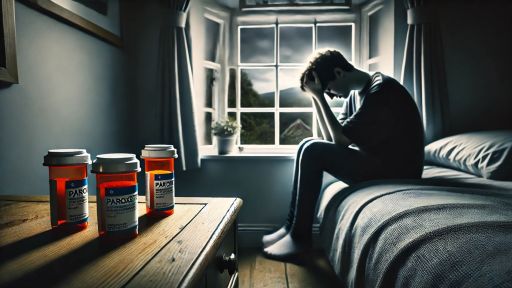
Alcohol’s allure lies in its ability to provide temporary respite from pain. Its effects—relaxation and inhibition reduction—can feel like relief to those grappling with inner turmoil. However, experts are clear: alcohol is no solution. It is a depressant that exacerbates mental health issues over time, increasing impulsivity and risk-taking, including self-harm. While it may seem to quiet the mind temporarily, it often leaves individuals more vulnerable to despair.

A Cultural Reflection

In New Zealand, drinking is deeply embedded in social life, from celebrations to solace. Yet this cultural norm masks significant harm. Excessive alcohol consumption is linked to some of the highest rates of mental health disorders and suicides in the OECD. For a country already grappling with a youth suicide crisis, alcohol’s role as both an enabler and an escape demands urgent attention.

Rethinking Solutions

King’s comments highlight a painful reality: for many, access to effective mental health support is still limited, leading them to self-medicate. While the government invests in programmes like Gumboot Friday, systemic gaps remain. The reliance on alcohol as a coping mechanism reveals a need for better tools—accessible counselling, community connection, and education about healthier alternatives.

The Path Forward

The debate calls for a national reckoning with both alcohol’s harms and its cultural status. To address this, New Zealand must foster spaces where vulnerability is met with support rather than stigma, and where emotional resilience is cultivated without relying on substances. Change will require not just individual reflection but societal and systemic reform.

The conversation Mike King started is an opportunity for New Zealand to confront its relationship with alcohol and mental health. A genuine solution lies not in temporary fixes, but in addressing the deeper causes of suffering with clarity, compassion, and collective effort.

 

Kiwis for Good: why should you contribute? PoliticsSocial IssuesCulture Kiwis for Good: why should you contribute? As the body of psychological science continues to expand, new methods of treating mental disorders and improving quality of life are being excavated. Activities which were previously considered purely recreational or physical in benefit, such as writing and physical exercise, are now being established as effective means with which to treat things like depression and anxiety. Read Boxing & Suicide - An Analogy Social IssuesCulture Boxing & Suicide - An Analogy After many years of indolence, I took up boxing as a way to get fit. I'm in my mid-40s, fat and out of shape so naturally, I decided that I would take up sparring with the fit and really good ones. These are people who for the most part are half my age, they are certainly half my weight, they have twice my speed, twice my stamina and twice my skill... at least. So I get hit... a lot. Read The Link Between Antibiotics and Depression: What You Need to Know Social Issues The Link Between Antibiotics and Depression: What You Need to Know Antibiotics are hailed as life-saving drugs, essential in fighting infections. Yet, recent research suggests that these medications may have an unexpected downside—an increased risk of depression. While antibiotics combat harmful bacteria, they also disturb the gut’s delicate balance, which may have a profound impact on mental health. Read Project: You Are Loved - The 2000km Walk for Suicide Prevention PoliticsEnvironmentSocial IssuesCulture Project: You Are Loved - The 2000km Walk for Suicide Prevention Meet the woman walking 2000km from Bluff to Cape Reinga. Spreading her message of Mental Health Awareness and Suicide Prevention, Rebecca Kylie Jacobs will be taking the first steps of her massive journey from Stirling Point on February 13th 2020. Read 'Running on Empty: Antidepressants and Youth Suicide' by Richard Vernall Social Issues 'Running on Empty: Antidepressants and Youth Suicide' by Richard Vernall "Running on Empty" by Richard Vernall is a crucial and deeply insightful exploration into one of the most pressing issues facing New Zealand today: youth suicide and the use of antidepressants. This meticulously researched book delves into the disturbing statistics of youth suicide rates in New Zealand, providing a historical overview from the 1980s to the present day. Vernall presents a compelling argument that, despite the widespread prescription of antidepressants, there has been negligible progress in reducing these tragic deaths. Read Technology and mental health, What will the future hold? PoliticsSocial IssuesTechnologyCulture Technology and mental health, What will the future hold? In the last 25 years, awareness of mental health issues has risen dramatically. Now, more Americans are suffering from mental health illnesses than ever before. And with this increase in awareness and diagnosis, you’d expect there to be a rise in resources available to treat these issues, but you’d be wrong. Read
Help Us Help Others!

Your donations are incredibly important for us, and enable us to use our initiatives to help our fellow Kiwis.

Donate today
Join Our Newsletter

For the latest news and projects, keep up-to-date with our newsletter. We promise not to spam you; we get enough of that ourselves!