Husband of UK Royal Dies After ‘Adverse Effects of Medication’

PoliticsSocial IssuesCulture Dec 09, 2024 Tim Baker

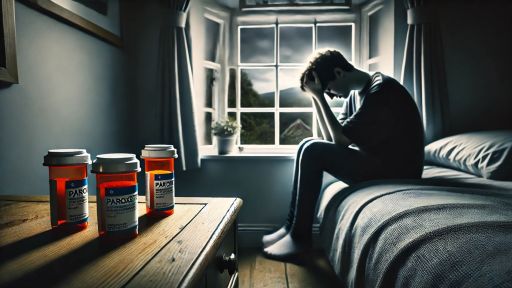
The tragic death of Thomas Kingston, husband of Lady Gabriella, has brought to light the dangers associated with antidepressant medications and the growing reliance on pharmaceutical interventions for mental health challenges. An inquest in Gloucestershire revealed that Kingston took his own life after experiencing severe adverse effects from antidepressants prescribed by a Buckingham Palace doctor.

A Royal Tragedy

Thomas Kingston, 45, passed away in February at his parents’ home in the Cotswolds. He had been married to Lady Gabriella Windsor, the daughter of Prince and Princess Michael of Kent, since their 2019 wedding at Windsor Castle, attended by the late Queen Elizabeth II.

Senior Coroner Katy Skerrett concluded that Kingston died from a self-inflicted wound but emphasised that there was no evidence of suicidal intent. She stated: “The evidence of his wife, family, and business partner all supports his lack of suicidal intent. He was suffering adverse effects of medication he had recently been prescribed.”

The Risks of Antidepressants

The inquest revealed that Kingston began taking antidepressants to address trouble sleeping caused by work-related stress. He was initially prescribed sertraline, an SSRI antidepressant, alongside zopiclone, a sleeping tablet, by a GP at the Royal Mews surgery. When the medication failed to improve his symptoms, he was switched to citalopram, another SSRI. Tragically, this shift appears to have worsened his mental state.

Lady Gabriella shared her belief that her husband’s death was directly linked to the adverse effects of these medications. She stated: “If anything had been troubling him, I’m positive that he would have shared that he was struggling severely. The fact that he took his life at the home of his beloved parents suggests the decision was the result of a sudden impulse.”

Her testimony raises serious concerns about the safety of these drugs and the lack of awareness surrounding their potential to provoke harmful reactions. “If this could happen to Tom, this could happen to anyone,” she warned.

A Call to Rethink Pharmaceutical Solutions

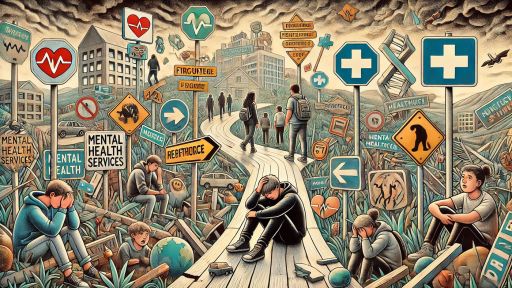
This heartbreaking case underscores the urgent need to rethink the widespread use of antidepressants and other psychiatric medications. Lady Gabriella’s plea highlights the importance of exploring safer, non-pharmaceutical approaches to mental health care. Educating the public about the risks of these drugs and advocating for alternative treatments could prevent further tragedies.

At Kiwis For Good, we remain steadfast in our belief that mental health challenges should be addressed through holistic, drug-free methods whenever possible. Kingston’s story serves as a stark reminder of the dangers posed by over-reliance on pharmaceuticals and the need for systemic change.

For more details, read the original article published in The Guardian here.
Lockdown Life 3: Physiological Reactions and Cycles PoliticsEnvironmentSocial IssuesCulture Lockdown Life 3: Physiological Reactions and Cycles Having now familiarised ourselves with the ABC model, automatic thoughts, intermediate beliefs, core beliefs, and thinking traps, we are now almost ready to start considering disputation; the process by which old, maladaptive thoughts and beliefs are transformed into new, functional ones. Read Miracle in Raglan: A New Hope for Mental Health in New Zealand Social IssuesCulture Miracle in Raglan: A New Hope for Mental Health in New Zealand When we first connected with Dr. Robin Youngson, it felt like discovering a kindred spirit in the fight for true mental health reform. Dr. Youngson, a former anaesthetist turned author and compassionate care advocate, has dedicated his life to bridging the gap between science and the profound, often overlooked, power of human connection. After reading his book, The Science of Miracles, I knew his message had the potential to reshape how we view and approach mental health in New Zealand. Read An Exposé: Study 329, Antidepressants, and New Zealand’s Youth Suicide Crisis Social IssuesTechnology An Exposé: Study 329, Antidepressants, and New Zealand’s Youth Suicide Crisis The alarming prevalence of antidepressant use among New Zealand’s youth demands urgent scrutiny. According to Ministry of Health data obtained by Kiwis For Good, in 2021, over 10,000 prescriptions for the antidepressant paroxetine were written for individuals under 30, including 1,330 for those under 19. These figures are particularly concerning given the dark history of paroxetine, a drug at the centre of one of the pharmaceutical industry’s most notorious scandals: Study 329. Read The Micronutrient Revolution: How Professor Julia Rucklidge is Changing Mental Health Treatment Social Issues The Micronutrient Revolution: How Professor Julia Rucklidge is Changing Mental Health Treatment Professor Julia Rucklidge at the University of Canterbury in New Zealand is no ordinary clinical psychologist. For over a decade, her research into the effects of micronutrients on mental health has challenged mainstream approaches, which often prioritise pharmaceutical treatments over nutritional interventions. Her work has not only caught the attention of her peers but has also fuelled a worldwide debate about how we understand, treat, and prevent mental health disorders. Read Technology and mental health, What will the future hold? PoliticsSocial IssuesTechnologyCulture Technology and mental health, What will the future hold? In the last 25 years, awareness of mental health issues has risen dramatically. Now, more Americans are suffering from mental health illnesses than ever before. And with this increase in awareness and diagnosis, you’d expect there to be a rise in resources available to treat these issues, but you’d be wrong. Read From office to the the Amazon BusinessSocial IssuesCulture From office to the the Amazon When it comes to sales and Marketing, James Wheable is at the top of his game. Being in the industry over 22 years he has worked with countless clients and trained many others to go on to greatness. Read
Help Us Help Others!

Your donations are incredibly important for us, and enable us to use our initiatives to help our fellow Kiwis.

Donate today
Join Our Newsletter

For the latest news and projects, keep up-to-date with our newsletter. We promise not to spam you; we get enough of that ourselves!