
SSRI’s Used To Destroy Love? Epstein’s Chilling Vision And NZ’s Youth Crisis
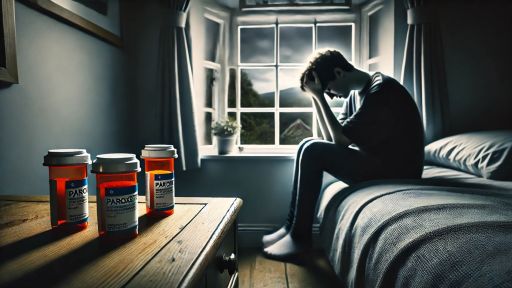
As fresh revelations continue to emerge from the Jeffrey Epstein files almost daily, Kiwis For Good feels compelled to restate its resolute position as a leading advocate for genuine mental health in New Zealand—particularly with regard to the widespread use of selective serotonin reuptake inhibitors (SSRIs), the dominant class of antidepressants.

Epstein’s Views On SSRIs And Emotional Control
A verified email exchange dated 31 July 2011 (captured in the released screenshot) exposes Epstein’s own disturbing musings on these medications. In the correspondence, he characterises romantic love as a biological defect that “turns off critical thinking,” comparing it to an overpowering “brake” in human physiology. He posits that SSRIs function like additional “gas,” potentially overriding this inhibition and intensifying love temporarily, yet ultimately strengthening the “brake” upon withdrawal—thereby eradicating rationality altogether. A respondent even proposes repackaging medications intended for obsessive-compulsive disorder as a “love cure” to suppress such obsessive attachments and enforce greater rationality. Epstein engages with evident enthusiasm, viewing love as a malleable flaw amenable to pharmacological correction for enhanced control and efficiency.
A Mindset Rooted In Manipulation
Such commentary is far from benign intellectual speculation; it reflects the mindset of a convicted predator fixated on manipulation and domination. The notion of chemically diminishing human emotions—love, attachment, vulnerability—mirrors patterns of control that defined his life.
The Serotonin Hypothesis Under Scrutiny
This perspective rested upon the now-discredited theory that depression (and allied conditions such as OCD) arises from a “chemical imbalance” of low serotonin. In 2022, Professor Joanna Moncrieff and colleagues published a comprehensive umbrella review in Molecular Psychiatry, scrutinising extensive evidence and concluding there is no compelling support for the claim that depression results from reduced serotonin levels or activity. The “chemical imbalance” hypothesis—long employed to rationalise mass prescribing of SSRIs—lacks robust foundation. Nevertheless, these drugs remain heavily promoted, despite documented side effects including emotional blunting, diminished passion, and impaired capacity for romantic connection—phenomena consistent with anthropologist Helen Fisher’s findings that romantic love involves low-serotonin states akin to OCD-like fixation.
Rising SSRI Use Among Young People In New Zealand
In New Zealand, the escalation of SSRI prescribing among young people is profoundly concerning:
- Between 2010 and 2021, prescriptions for those aged 19 and under rose approximately fourfold (from roughly 40,000 to over 160,000, according to Ministry of Health figures).
- In the past five years alone, antidepressant dispensing to children and teenagers increased by 53 per cent, as reported by the Mental Health and Wellbeing Commission.
Concerns About Use In Developing Brains
Many such medications lack full approval for use in those under 18 for depression or anxiety in this country, yet the trend persists unabated. We are subjecting developing brains to unprecedented levels of pharmacological intervention, frequently grounded in an outdated and unsubstantiated narrative.
Why Kiwis For Good Advocates Alternatives
One must ask: Would you entrust your child to a medication that a notorious sexual predator and manipulator such as Jeffrey Epstein endorsed with such zeal as a means of emotional “optimisation”? Would you accept a treatment capable of dulling the very emotions that foster love, joy, and authentic human bonds?
This is precisely why Kiwis For Good advocates tirelessly for—and develops—safe, effective, evidence-informed alternatives that heal without inflicting harm. Our freely accessible programmes include:
Our Programmes
- Somatic Compassion — a scientifically grounded, body-centred method for releasing trauma and restoring emotional safety.
- Awakiri Hau Tapu — rooted in Māori principles, offering holistic healing and spiritual restoration.
- BRAVE — equipping individuals with practical tools to cultivate resilience and courage.
- The Hero’s Journey — a year-long, complimentary initiative for young New Zealanders aged 16–25, fostering confidence, purpose, and inner strength.
A Call For A More Compassionate Approach
We remain steadfast in our pursuit of researching and championing interventions that genuinely work because authentic mental health awareness transcends the platitude that “it is acceptable to seek help.” It demands help that preserves rather than erodes love, that empowers rather than numbs, and that honours the full spectrum of human experience rather than suppressing it for convenience or profit.
At Kiwis For Good, we are dedicated to safeguarding New Zealand families from hazardous shortcuts and cultivating pathways to true, lasting wellbeing. We invite you to explore our free resources, share your experiences, or support our efforts. Together, we can choose a wiser, more compassionate course.