
Coming off antidepressants: What young Kiwis need to know
RNZ has just published an important piece on the long, difficult road many people face when trying to stop antidepressants. We welcome it. For years Kiwis For Good has been saying what this article now puts on the record: these medications are often prescribed far longer than intended, and the system has been far better at starting them than helping people come off safely.
In New Zealand, prescriptions for young people aged roughly 10-20 rose by about 300% between 2010 and 2021. Both girls and boys are affected. Many received a prescription in a moment of real desperation, when they were in pain, waiting for other support, or simply given no better option. We understand that desperation. No one should be judged for reaching for help when they felt they had nowhere else to turn.
We remain clear, however: these drugs are not the right long-term answer for most young people. They were never designed as lifelong treatments. Coming off them is often harder than expected. Withdrawal symptoms can closely mimic the original depression or anxiety, leading many people back onto the medication.
Why we are sharing the Horowitz approach
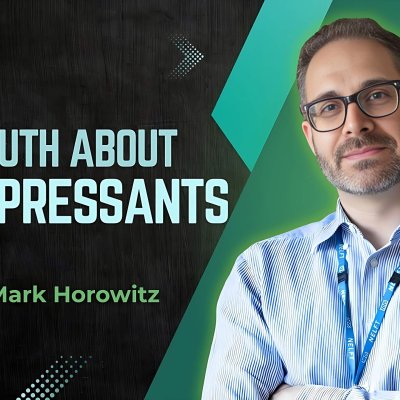
The RNZ article rightly describes the struggles of deprescribing but does not detail the practical protocol many patients and clinicians now rely on. That is why we are sharing the work of Dr Mark Horowitz here.
Horowitz, a psychiatrist who experienced severe withdrawal himself after long-term use, developed a careful method of tapering based on how these drugs actually affect the brain. Instead of cutting the dose in equal steps, the reductions get progressively smaller, using a “hyperbolic” or proportional taper. This approach aims to reduce the shock to the nervous system and lower the risk of severe withdrawal.
His guidance, developed with Professor David Taylor, is set out in The Maudsley Deprescribing Guidelines, currently the leading, practical, internationally recognised guidelines for safely reducing antidepressants and related psychotropic medications.
Find The Maudsley Deprescribing Guidelines here
Never stop suddenly

Never stop these medications suddenly. Work with a doctor who understands slow, careful tapering.
Feeling low or overwhelmed does not mean you are broken or that you need to stay on medication for years. Real connection, purpose, physical strength and practical support often make a deeper and more lasting difference. That is the path we focus on at Kiwis For Good.
If you are on these drugs and want to come off, or if you are being offered them and feel unsure, you deserve honest information and proper support.
Help is available
Kiwis For Good — 0508 FOR KIWIS
Need to Talk? 1737
Youthline — 0800 376 633 or txt 234
Tim Baker
National Director, Kiwis For Good